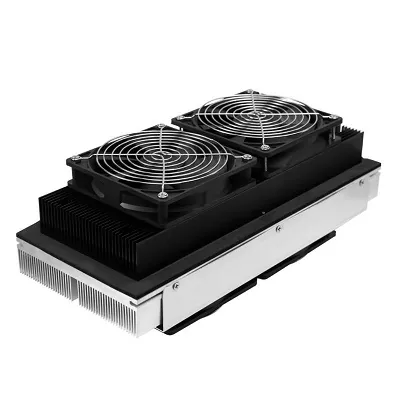
Compact, localized temperature management has become a defining requirement across optical, medical, automotive, and research equipment. This engineering overview examines how modern Thermoelectric Cooler Assemblies are designed, the material systems that underpin their performance, and the mechanical and thermal properties that determine long-term reliability. Design considerations for custom configurations, production quality standards, and application-specific selection criteria are presented in a structured format suitable for technical decision-makers.
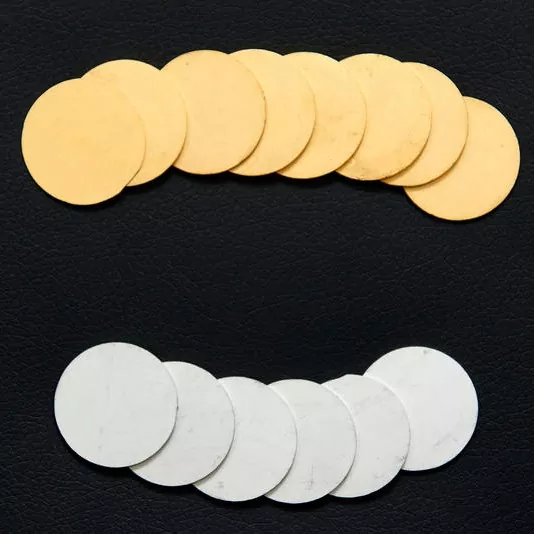
The performance of every thermoelectric cooler and generator depends on the quality, consistency, and compatibility of its core materials. This engineering overview examines the fundamental properties of thermoelectric semiconductors, the principal bulk forms available for industrial processing, and the selection criteria that determine whether a design achieves stable temperature control or falls short of its thermal targets. Special attention is given to extruded profiles, diffusion-barrier slices, and the integration of material properties with final device behavior.
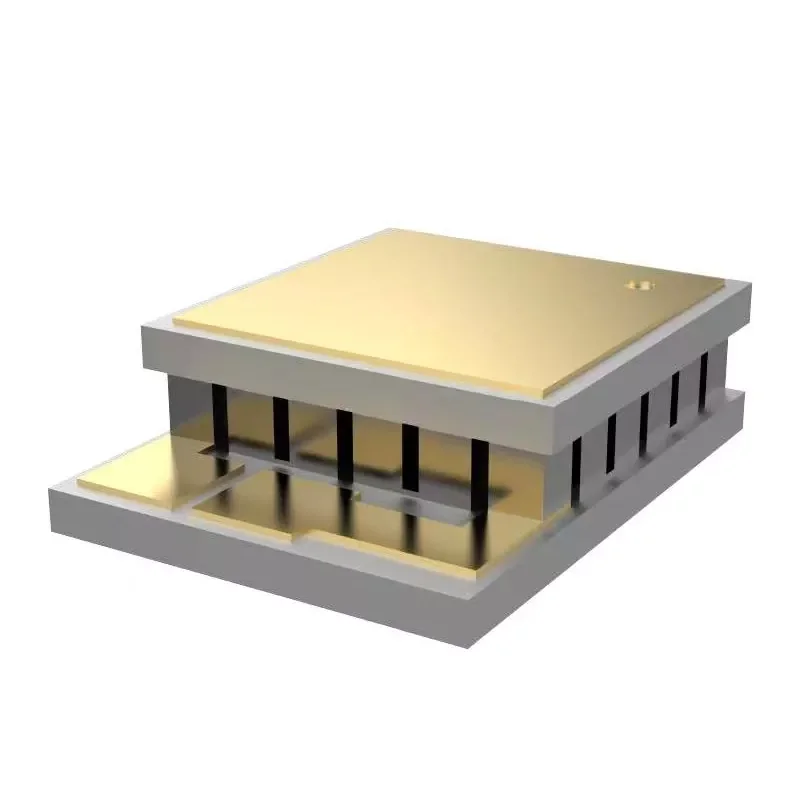
Solid-state thermal management has become indispensable across industries where vibration-free, precise temperature regulation is critical. This guide examines the fundamental physics, design considerations, application landscape, and operational best practices for Thermoelectric Coolers. From the reversible Peltier effect to real-world deployment in fiber optics, medical diagnostics, and automotive sensing, the following sections provide engineers and technical decision-makers with actionable knowledge for selecting, integrating, and maintaining these devices in demanding environments.
We use cookies to offer you a better browsing experience, analyze site traffic and personalize content. By using this site, you agree to our use of cookies. Privacy Policy

 30 2026-09
  30 2026-09
  30 2026-09