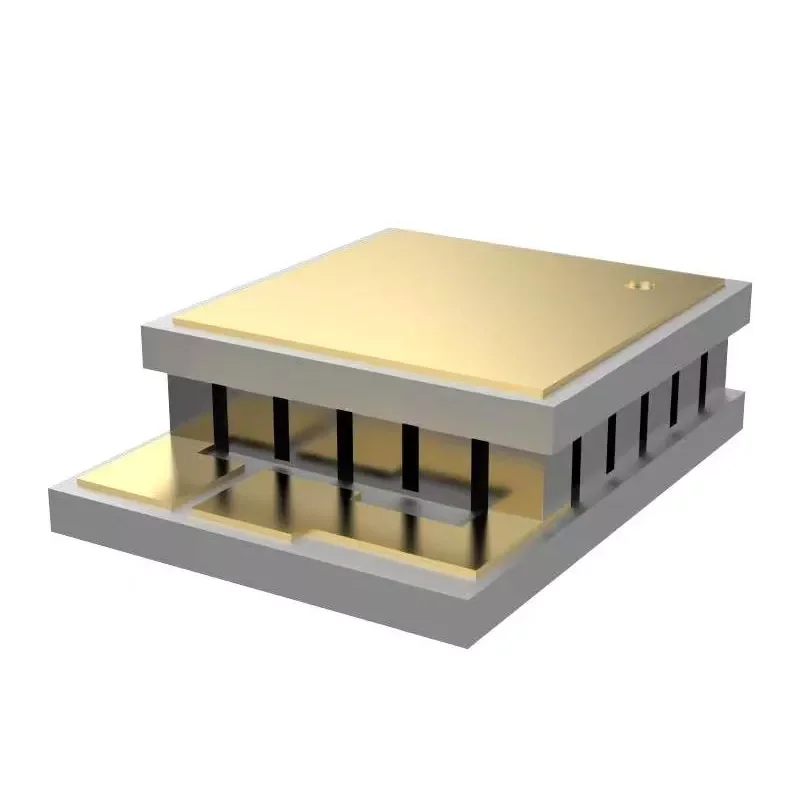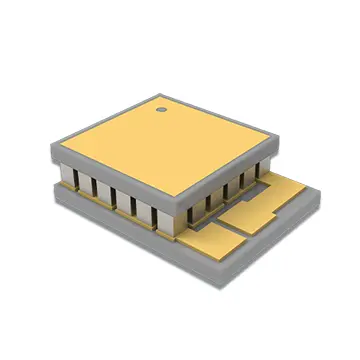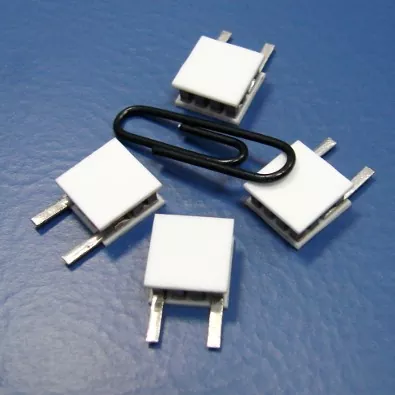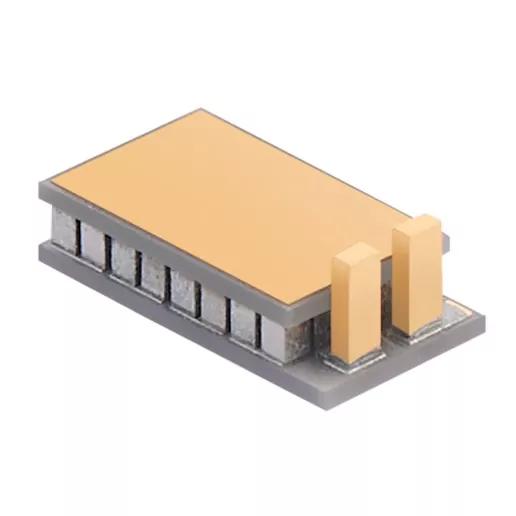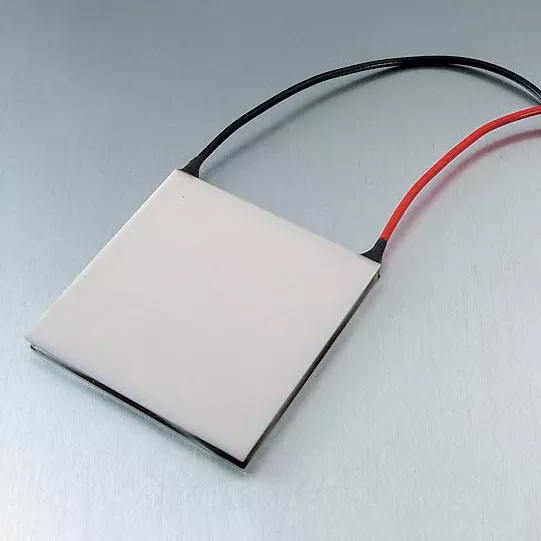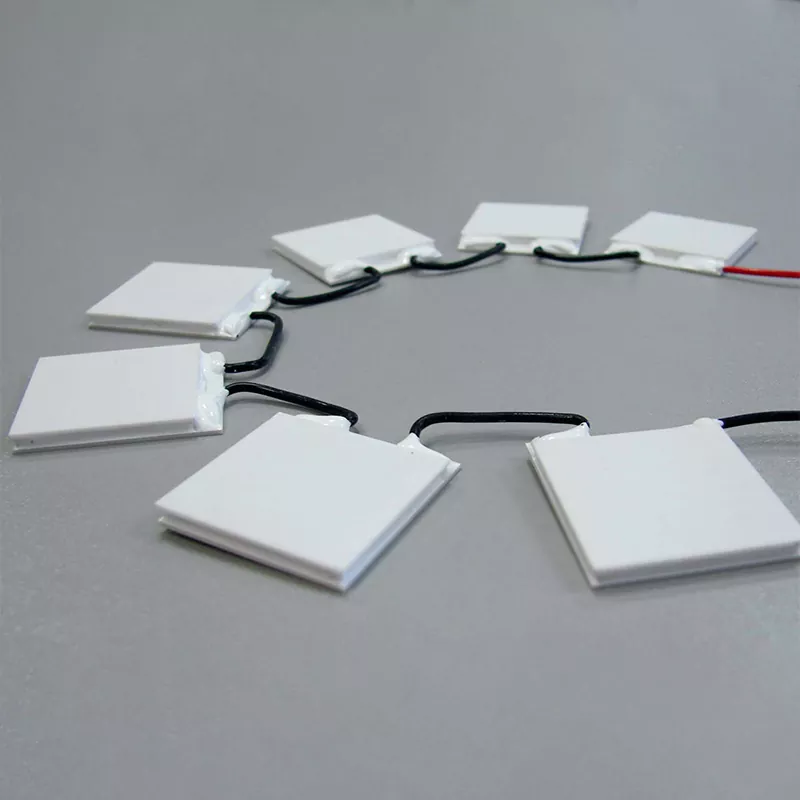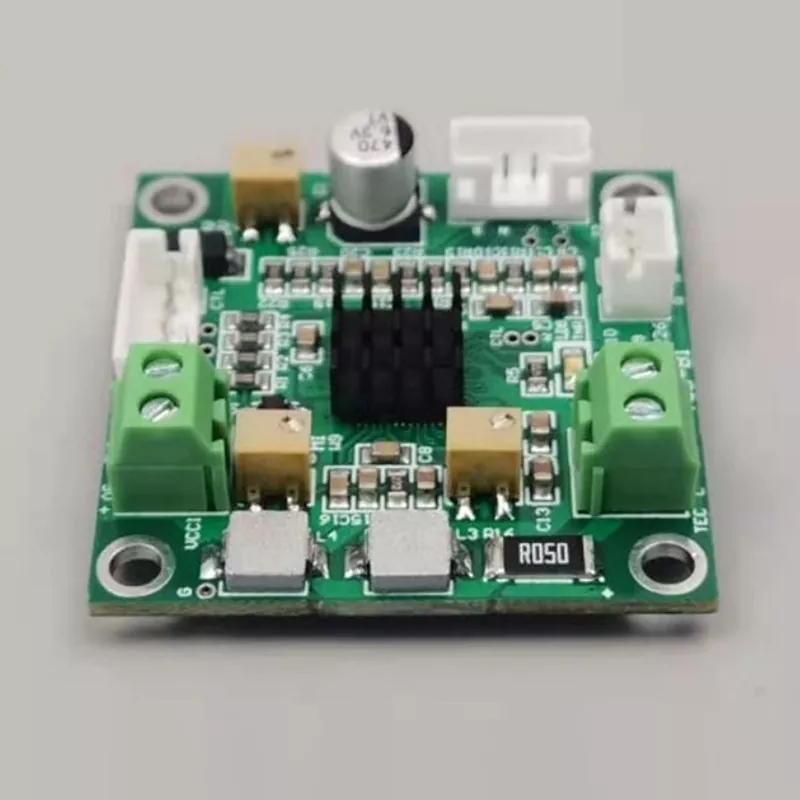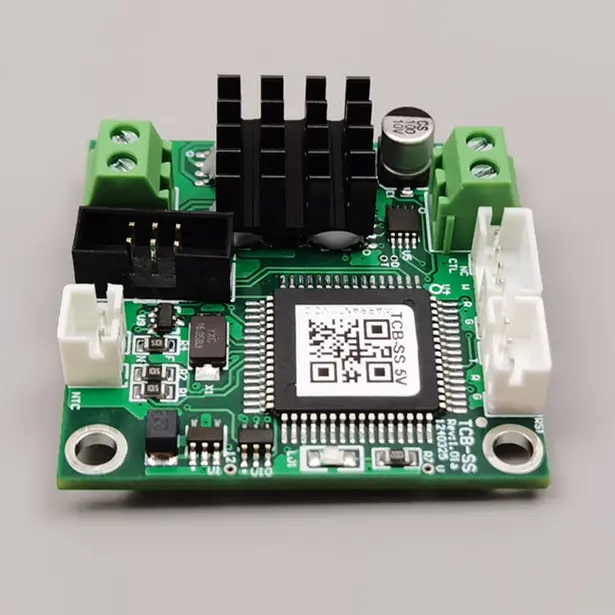
X-Meritan is a reliable manufacturer and supplier of Thermoelectric Coolers. This product line utilizes the thermoelectric effect of semiconductors to achieve active temperature control. It can be integrated into electronic devices, optoelectronic devices, medical instruments, and industrial temperature control systems for rapid cooling or precise temperature control.
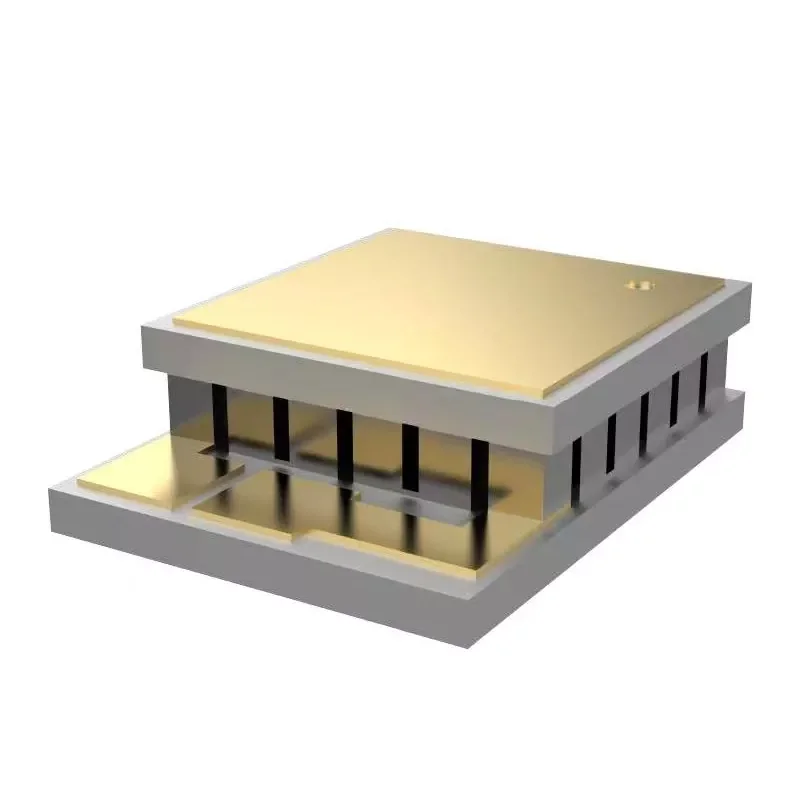
The core principle of Thermoelectric Coolers is the Peltier Effect. When direct current passes through a circuit composed of two different semiconductor materials (N-type and P-type), heat absorption and release occur at the two junctions.
Cold Junction (Heat Absorption): The junction where current flows from the N-type semiconductor to the P-type semiconductor absorbs heat, achieving cooling.
Hot Junction (Heat Release): The junction where current flows from the P-type semiconductor to the N-type semiconductor releases heat.
This effect is reversible; simply changing the direction of the current reverses the hot and cold junctions. A single TEC (Thermoelectric Cooler) consists of dozens or even hundreds of these N-P semiconductor particles connected in series, enhancing the cooling effect. The entire stack is encapsulated between two layers of thermally conductive but electrically insulating ceramic substrates.
Thermoelectric coolers contain no compressors, motors, or valves, offering high shock resistance, an exceptionally long lifespan, and quiet operation.
Simply changing the polarity of the DC power supply allows for instantaneous switching between hot and cold ends, enabling dual-purpose operation.
Furthermore, their low thermal inertia and millisecond-level response time allow for precise temperature control with temperature control chips, achieving ±0.1℃ or even higher accuracy.
TEC modules are small and can be designed in various compact shapes. This breaks the physical limitations of traditional refrigeration piping, providing engineers with greater freedom in product design.
They do not use any ozone-depleting chemical refrigerants such as Freon throughout their entire lifecycle, fully complying with global environmental regulations.
Additionally, their low operating voltage allows them to be directly powered by power banks or vehicle systems.
|
Application Areas |
Typical Applications |
|
Fiber Optic Communication |
Optical modules, lasers, optical transceivers |
|
Medical Equipment |
Detection, analysis, and biological experimental equipment |
|
Laser and Optoelectronics |
Laser diodes, detectors, sensors |
|
Automotive Electronics |
Cameras, sensors, LiDAR |
|
Consumer Electronics |
Small temperature control, portable cooling equipment |
|
Industrial Equipment |
Inspection, automation, industrial electronics |
|
Scientific Instruments |
Optics, laboratory, sample temperature control |
|
Precision Instruments |
Measurement, analysis, sensor temperature control |
Never power on the device without a heatsink or proper cooling system; otherwise, the device will burn out within seconds.
During installation, apply a thin layer (0.02mm-0.1mm) of high-quality thermal grease evenly to both the hot and cold ends to reduce contact thermal resistance.
When tightening screws, be sure to tighten them diagonally in stages. The flatness of the mounting surface should not exceed 0.05mm, and the applied pressure should not exceed 10kg/cm² to avoid crushing the fragile ceramic substrate.
A DC regulated power supply with a ripple factor of less than 10% must be used. A constant current source or PWM voltage regulation is recommended. Do not use a low-quality power supply for direct full-voltage hard start.
When switching between cooling and heating modes, never apply reverse current instantaneously. The polarity must be changed only after power is off and the module terminals have returned to room temperature (10-15 minutes is recommended).
Water or other liquids must not enter the interior of the Thermoelectric Coolers. In humid environments or cryogenic applications, moisture-proof measures must be taken, such as wrapping with thermal insulation, sealing with potting compound, applying a hydrophobic coating, or designing drainage channels.
Furthermore, avoid use in environments containing corrosive gases.
To maintain optimal heat transfer efficiency, it is recommended to check the thermal grease condition every six months. If dryness and cracking occur, clean and reapply promptly.
Additionally, regularly clean dust from the hot-end heatsinks with compressed air to ensure proper ventilation.
|
Application Conditions |
Recommended direction |
|
Small, low heat load |
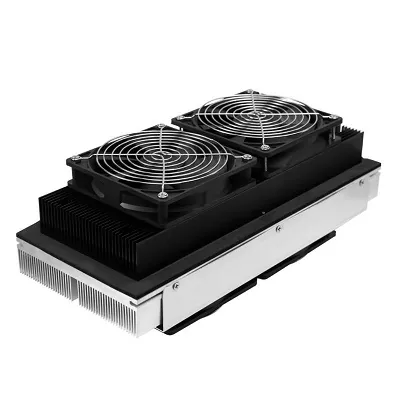
Air-cooled TEC |
|
Limited space |
Liquid Cooling TEC |
|
Continuous liquid temperature control |
Liquid-to-Liquid TEC |
|
High heat load |
Improve heat dissipation at the hot end and recalculate the TEC operating point |
|
Precision temperature control |
TEC + Temperature Sensor + Controller |
|
Need to switch between hot and cold |
Two-way TEC temperature control solution |
A: Yes. By controlling the H-bridge circuit to change the positive and negative polarity of the input DC power, the TEC's cold and hot side functions can be seamlessly switched within milliseconds, achieving bidirectional precise temperature control without the need for an additional heating wire.
A: Contact surface flatness: The flatness of the contact surface between the heat sink and the cold plate should be better than ±0.02mm.
Thermal conductivity medium: A thin, even layer of high thermal conductivity silicone grease must be applied to both sides.
Installation pressure: Screws must be tightened diagonally and evenly. The recommended pressure range is 150-300kPa to prevent uneven force from crushing the internal grains.
A: Yes. X-Meritan's Thermoelectric Coolers use no CFCs/HFCs or other chemical refrigerants throughout their entire lifecycle, naturally complying with the most stringent environmental regulations in Europe (RoHS/REACH) and North America.
55% of our products are sold in the European market, which in itself is the strongest proof that our products have passed international high standards of testing.