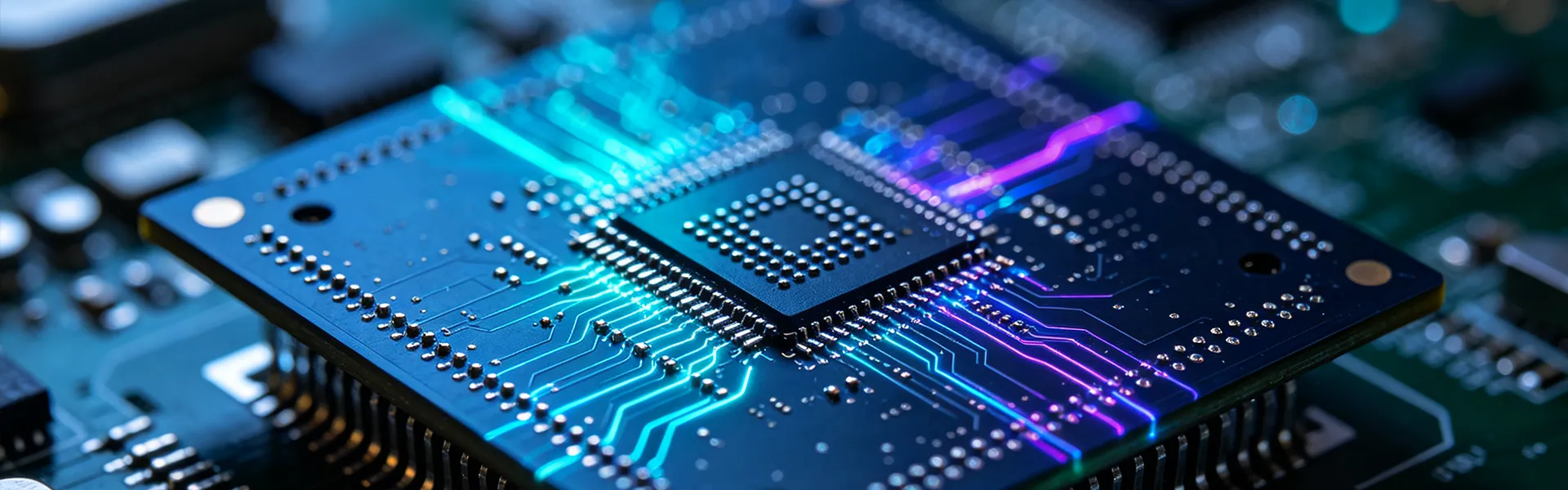
X-Meritan provides and develops thermoelectric materials for semiconductor cooling applications. These are core functional materials for thermoelectric cooling components and are available in various forms to meet processing and application requirements.
Our material solutions are primarily based on thermoelectric semiconductor materials suitable for temperature control near room temperature, offering options for different sizes, electrical properties, and assembly requirements. We support standard material supply and can provide customized solutions based on drawings, samples, or application specifications.
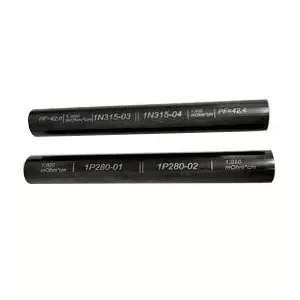
Extruded thermoelectric materials are manufactured using an extrusion process, producing continuous profiles with controllable dimensions and material properties. Choose this material if you have any of the following needs:
The thermoelectric material needs to be formed into a fixed cross-section, such as square bars, round rods, or long billets that closely match the device design requirements.
Subsequent in-house processing:such as slicing, grinding, chamfering, plating, or welding is required, and a stable internal material structure is desired.
Large single-order quantities are required, and consistency in dimensions and performance within the same batch must be ensured.
Used for batch processing of P/N-type thermoelectric elements, which are subsequently cut into small pellets according to TEC module dimensions.
Existing standard pellet sizes are unsuitable, and material cross-sections and lengths must be tailored to the customer’s specific TEC structural design.
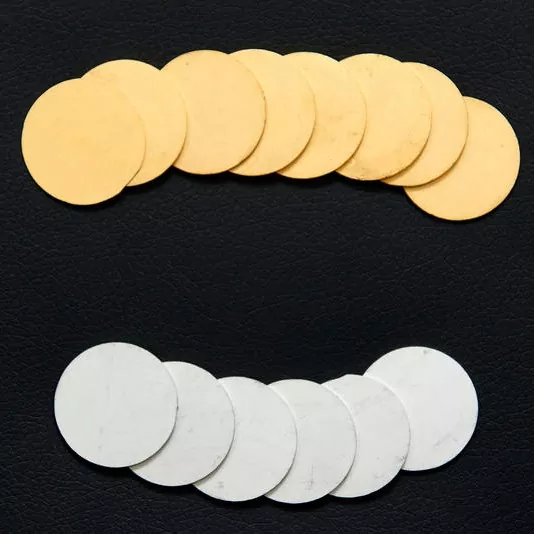
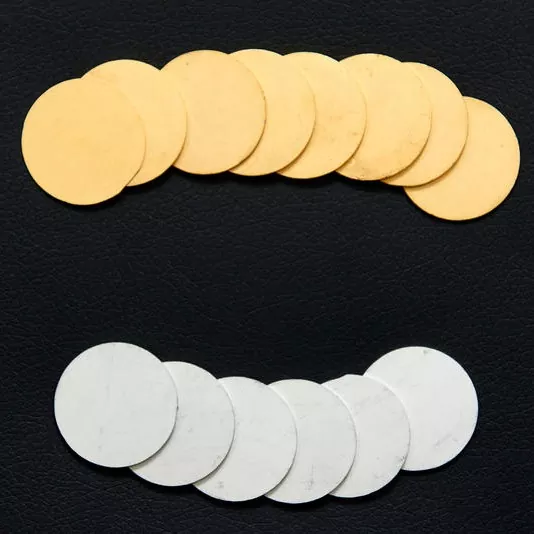
Thin slices with a diffusion barrier layer refer to thermoelectric material slices designed with a diffusion barrier layer to improve the interface between the thermoelectric material and the bonding or metallization system.
These slices are suitable for the following scenarios:
When P/N-type thermoelectric particles need to be processed in-house, but the slice surface is expected to already have a bond-ready interface.
Subsequent processes will involve contact with solder, nickel layers, copper foils, or other metallization systems, requiring a reduced risk of interfacial reactions.
TEC modules that undergo multiple thermal cycles, requiring high interfacial bonding strength and stability.
Applications involving frequent temperature fluctuations, such as cooling plates, temperature control modules, sensor temperature regulation, or small-scale power generation units.
Situations where bare thermoelectric wafers are not preferred, as they impose stricter process window requirements during subsequent metallization and soldering.
X-Meritan's thermoelectric materials can be used in thermoelectric cooling and temperature-control systems, including:
● Semiconductor cooling
● Precision temperature control
● Cooling plates
● Temperature control modules
● Sensor temperature regulation
● Small-scale thermoelectric power generation
Operating Temperature: First, the expected hot and cold junction temperatures should be determined. Different material systems exhibit varying performance across different temperature ranges.
Electrical Requirements: When matching thermoelectric materials to the final device design, the required voltage, current, resistance, and power dissipation should be considered.
If standard materials do not meet the requirements of a specific thermoelectric cooling system, X-Meritan offers customized material solutions for non-standard products, providing full support from material selection and sample evaluation to the development of thermoelectric components.
Customization options include:
● Material dimensions
● Matching of P-type and N-type materials
● Material composition
● Electrical properties
● Surface or interface treatment
● Diffusion barrier layer requirements
● Cutting and machining requirements
Our capabilities extend from thermoelectric material development to component manufacturing and cooling solution design, allowing material performance to be evaluated in relation to the final TEC application.
Our production capabilities include automated printing, reflow soldering, tin dipping, dispensing, sealing, cutting, and solidification processes for thermoelectric component manufacturing.
We do not select materials only according to catalog specifications. We consider the customer's operating temperature, cooling load, electrical requirements, dimensions, and assembly conditions when recommending a material solution.
Thermoelectric materials use the Peltier effect to create a temperature difference when an electric current passes through P-type and N-type thermoelectric materials.Their electrical and thermal properties directly affect the cooling capacity, temperature stability, response speed, and power consumption of the final thermoelectric device.
P-type and N-type thermoelectric materials have different carrier characteristics and are typically used in combination to form thermoelectric circuits. Their characteristics must be matched based on the required voltage, current, temperature range, and thermoelectric cooler (TEC) design.
Yes. X-Meritan can evaluate custom sizes based on drawings, samples, or application specifications. Customization options include cross-section, length, thickness, cutting requirements, and other dimensional specifications, depending on the intended thermoelectric component (TEC) design.