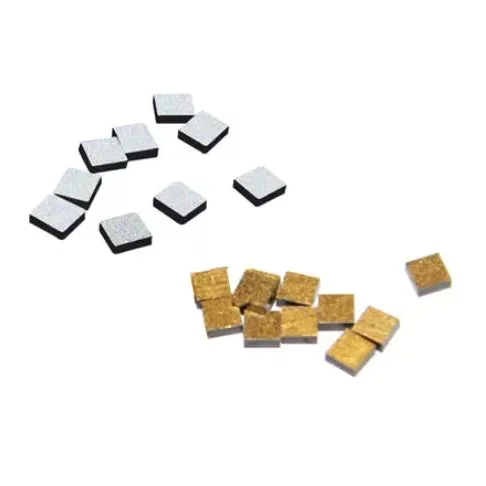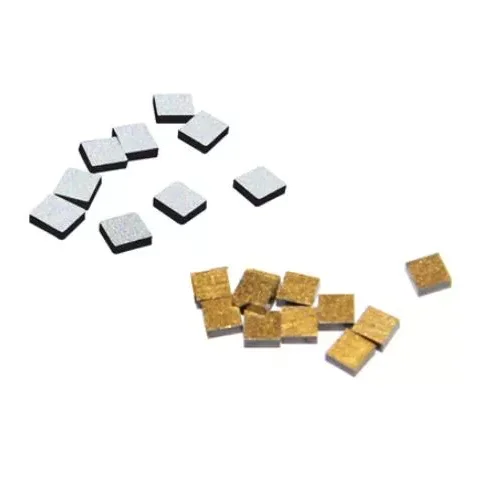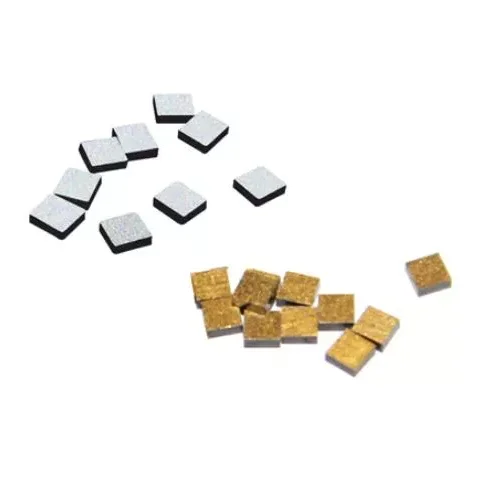

The X-Meritan Glass-Packaged NTC Thermistor is a high-reliability, hermetically sealed temperature sensing component engineered for environments where moisture, aggressive chemicals, and wide temperature cycling compromise standard epoxy-coated sensors. Encapsulating a miniature NTC semiconductor chip within a protective glass bead or diode-style structure, this thermistor delivers exceptional long-term stability, rapid thermal response, and superior electrical isolation.

A Glass-Packaged NTC Thermistor is a temperature-sensitive resistor that uses a glass-sealed structure to protect the internal NTC semiconductor sensing element. Unlike epoxy-coated thermistors, the glass package provides a more stable barrier against humidity, chemical exposure, and temperature cycling.
The operating principle is based on the negative temperature coefficient characteristic of semiconductor materials. When temperature increases, the electrical resistance of the thermistor decreases. The control system measures this resistance change and converts it into temperature information.
The glass encapsulation improves mechanical protection and long-term stability, making this type of thermistor suitable for applications where standard coated sensors may experience performance changes due to environmental conditions.
The sealed glass structure isolates the NTC chip from external moisture, dust, and contaminants. This construction improves resistance stability in environments with humidity, temperature fluctuations, or chemical exposure.
The glass package helps maintain consistent resistance-temperature relationships during long-term operation. This stability is important for equipment that requires repeatable temperature measurement and accurate control.
The miniature NTC sensing element inside the glass package allows efficient heat transfer from the surrounding environment to the semiconductor chip. This enables rapid detection of temperature changes in monitoring and protection systems.
The glass-sealed design provides strong thermal durability and can be used in applications involving elevated temperatures. The suitable temperature range depends on the selected NTC material, package structure, and application requirements.
The small glass bead or diode-style package allows installation in limited spaces while maintaining reliable temperature sensing performance. This makes it suitable for compact electronic equipment and precision instruments.
The glass material provides insulation between the sensing element and the external environment, helping reduce electrical leakage risks in sensitive electronic circuits.
The Glass-Packaged NTC Thermistor operates according to the resistance-temperature characteristics of NTC semiconductor materials.
The temperature sensing process includes:
Temperature Change
↓
NTC Semiconductor Resistance Change
↓
Electrical Signal Detection
↓
Temperature Calculation by Control System
↓
Thermal Management Response
When the surrounding temperature rises, the resistance value of the NTC thermistor decreases. When the temperature falls, the resistance value increases. The electronic control system uses the resistance signal together with the thermistor's R-T curve to calculate the actual temperature.
The glass package does not change the basic NTC sensing principle. Instead, it improves the protection and stability of the sensing element under demanding operating conditions.
Glass-Packaged NTC Thermistors are used in diagnostic equipment, laboratory instruments, and precision measurement systems where stable temperature feedback is required. The sealed structure helps maintain consistent performance during repeated temperature changes.
Automotive electronic systems often experience vibration, humidity, and temperature cycling. Glass-sealed thermistors can provide reliable temperature sensing for components exposed to changing environmental conditions.
Industrial controllers, automation equipment, and thermal protection systems require sensors that can operate continuously under demanding conditions. Glass package thermistors provide stable temperature monitoring for these systems.
Ovens, heating equipment, coffee machines, and other appliances use temperature sensors for heating control and safety protection. The glass package provides improved resistance to moisture and high-temperature environments.
Thermistors can be integrated into power supplies, charging systems, and electronic protection circuits to provide temperature feedback for over-temperature monitoring and system protection.
The nominal resistance at 25°C should match the input requirements of the control circuit. Common resistance values include 1KΩ, 10KΩ, 47KΩ, and 100KΩ, depending on the application.
The B-value defines the relationship between resistance and temperature changes. A suitable B-value ensures that the temperature calculation in the control system matches the actual sensor characteristics.
The selected thermistor should cover the expected temperature range of the equipment. Applications with high-temperature exposure require suitable glass package structures and NTC materials.
Tolerance affects measurement consistency between different sensors. Higher-precision applications may require tighter resistance tolerance specifications.
The glass bead size, wire structure, and mounting method should match the available installation space and thermal contact requirements of the equipment.
Applications involving rapid temperature changes should consider the sensor size, installation condition, and required response speed when selecting the Glass-Packaged NTC Thermistor.
X-Meritan focuses on semiconductor temperature sensing components and provides thermistor solutions with controlled electrical characteristics and stable production performance.
We support customization of resistance values, B-values, tolerances, wire configurations, package dimensions, and other specifications to meet different equipment requirements.
Each thermistor can be evaluated through resistance testing, temperature characteristic testing, insulation testing, and reliability verification to ensure product consistency.
X-Meritan assists customers with parameter selection, R-T curve matching, and application evaluation to improve compatibility between sensors and electronic control systems.
From prototype verification to volume supply, X-Meritan provides flexible support for different project stages, helping customers complete product development and production transitions.

A Glass-Packaged NTC Thermistor uses a sealed glass structure that provides better protection against moisture, chemicals, and high-temperature environments compared with standard epoxy-coated sensors.
The glass encapsulation provides improved thermal stability and protects the internal NTC chip from environmental effects during high-temperature operation.
The thermistor detects temperature by changing its electrical resistance according to temperature variations. The control system converts the resistance signal into temperature data.
Yes. X-Meritan can customize resistance values, B-values, tolerance levels, wire specifications, package dimensions, and other requirements according to customer applications.
Customers should confirm R25 resistance, B-value, operating temperature range, tolerance, package size, installation method, and required response characteristics.
Address
Building C2, R&F Center, Shangpu Road, Taijiang District, Fuzhou City, Fujian Province, China
Tel
Ready to start your next thermal management project or request a competitive price quote? The X-meritan engineering and sales team is standing by to analyze your project requirements, recommend suitable standard TEC models, or discuss fully custom thermoelectric cooler manufacturing options.
Simply fill out the inquiry form with your operating parameters—such as heat load, ambient temperature, target cold-side temperature, dimensions, and estimated annual volume. Our technical sales engineers will review your thermal constraints and respond with a detailed quotation and engineering assessment within 24 business hours.