News

How Does the Peltier Effect Distinguish Thermoelectric Coolers From Conventional Cooling Devices?

2026-10-16 0 Leave me a message

A design engineer is working on a new medical diagnostic device. The device requires a small cooling zone that can hold a precise temperature of 4°C, with the ability to switch to heating for a different test. The cooling must be compact, vibration-free, and able to operate in any orientation. Conventional cooling devices—compressors, fans, and heat exchangers—cannot meet these requirements. They are too large, too noisy, and too inflexible. The solution is a Thermoelectric Cooler, a solid-state device that uses the Peltier effect to pump heat. The Peltier effect is the phenomenon that distinguishes Thermoelectric Coolers from all other cooling technologies. It is the reason they can be miniaturized, why they have no moving parts, and why they can switch from cooling to heating instantly. For procurement engineers and product designers, understanding the Peltier effect is essential for determining whether a Thermoelectric Cooler is the right choice for a specific application.


This guide is written for buyers who need to source Thermoelectric Coolers and want to understand the technology behind them. We will explain what the Peltier effect is, how it works, how it differs from conventional cooling, and what specifications matter when selecting a Thermoelectric Cooler. We will also provide detailed product parameters from our factory at Fuzhou X-Meritan Technology Co., Ltd. Whether you are designing medical devices, laser systems, automotive seats, or consumer electronics, this guide will help you make an informed decision about thermoelectric cooling.

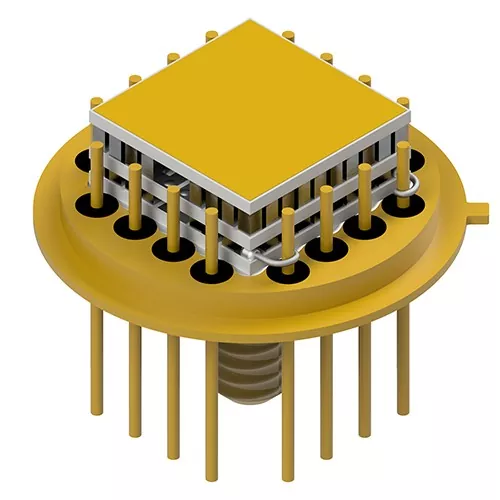
Micro Thermoelectric Coolers for Optoelectronic


Table of Contents


1. What Is the Peltier Effect and How Does It Work?

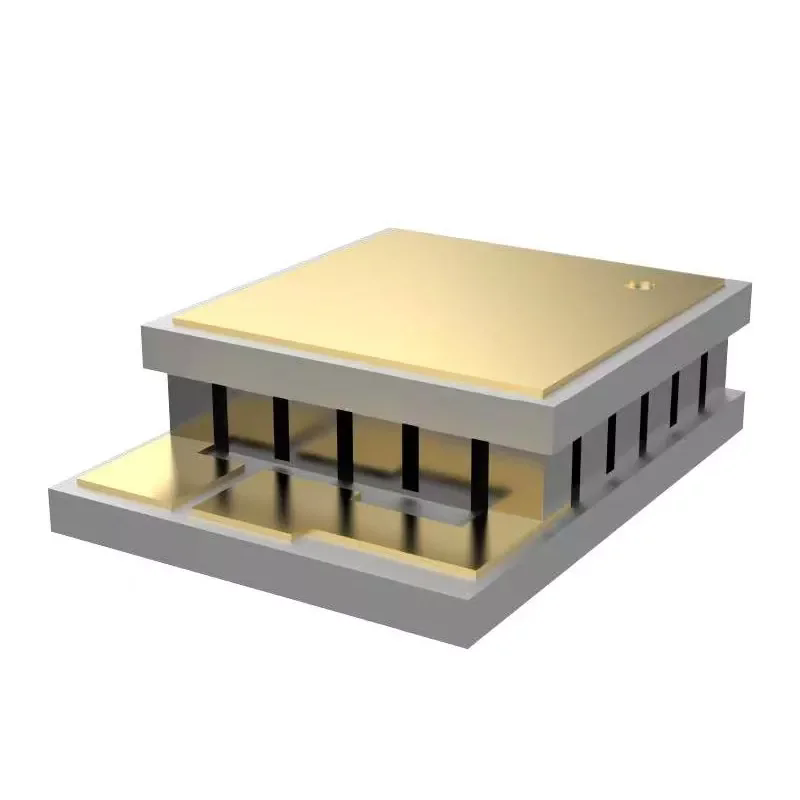
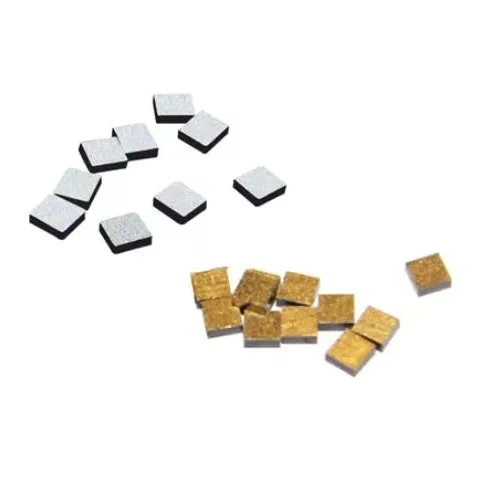
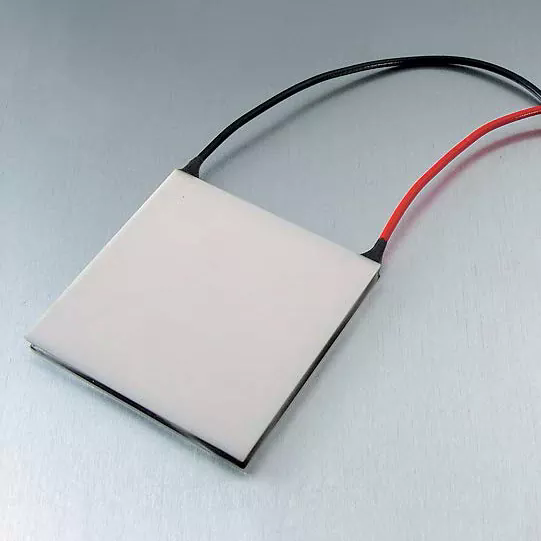
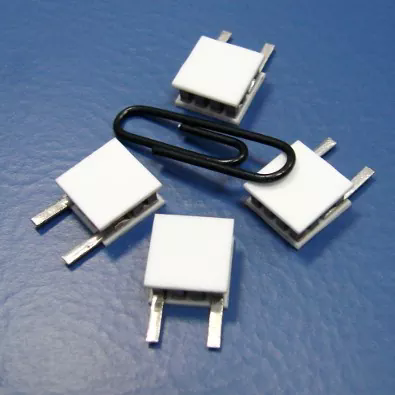
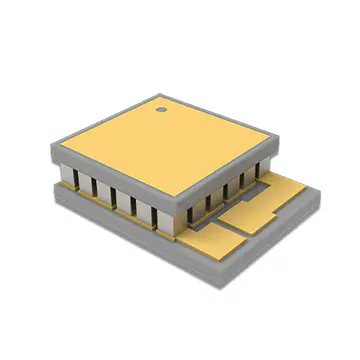
The Peltier effect is a thermoelectric phenomenon discovered by French physicist Jean Charles Athanase Peltier in 1834. It describes the heating or cooling that occurs at the junction of two dissimilar conductors when an electric current passes through them. When current flows in one direction, heat is absorbed at one junction and released at the other. When the current is reversed, the effect is reversed: the hot junction becomes cold, and the cold junction becomes hot. This is the fundamental principle behind Thermoelectric Coolers. A Thermoelectric Cooler, also known as a Peltier cooler, is a solid-state heat pump that uses the Peltier effect to transfer heat from one side of the device to the other. The device consists of an array of p-type and n-type semiconductor pellets that are connected electrically in series and thermally in parallel. The pellets are sandwiched between two ceramic substrates. When a DC current is applied, electrons and holes move through the pellets, carrying heat with them. The result is a cold side and a hot side. The table below summarizes the key aspects of the Peltier effect.

Aspect Description
Discovery Jean Charles Athanase Peltier, 1834
Principle Heating or cooling at a junction of dissimilar conductors
Direction of Effect Depends on direction of current
Key Components P-type and N-type semiconductor pellets, ceramic substrates
Result Cold side and hot side

At Fuzhou X-Meritan Technology Co., Ltd., our factory specializes in the design and manufacture of Thermoelectric Coolers based on the Peltier effect. We have extensive experience in semiconductor pellet manufacturing, module assembly, and thermal system design. Our products are used in a wide range of applications, from medical devices to consumer electronics.


2. How Do Thermoelectric Coolers Differ from Conventional Cooling Devices?

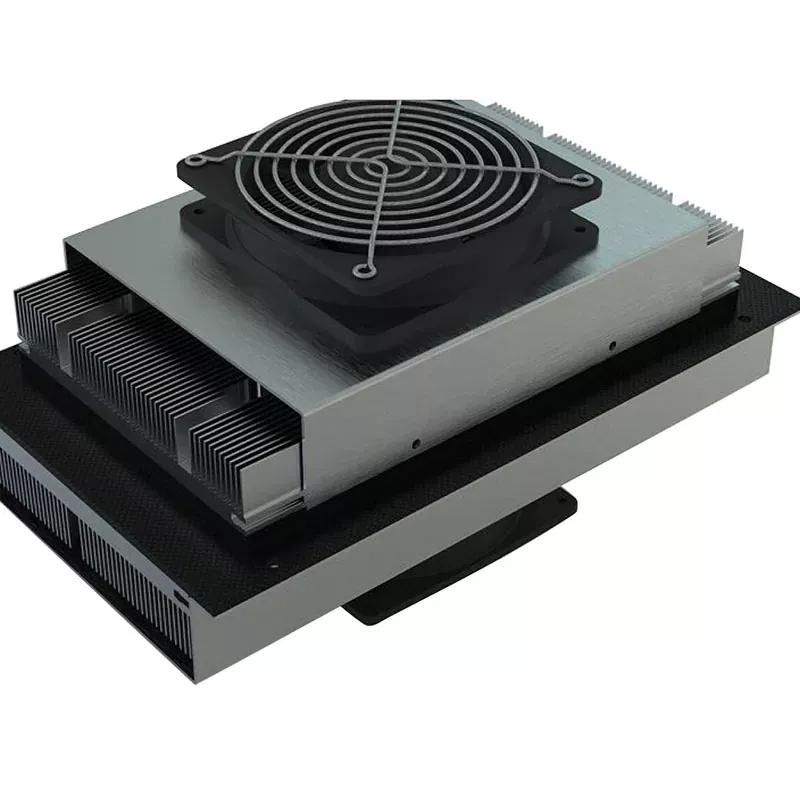
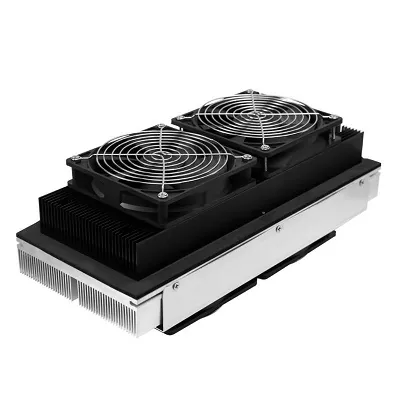
Thermoelectric Coolers differ from conventional cooling devices in several fundamental ways. Conventional cooling devices, such as vapor-compression systems, absorption chillers, and heat pumps, rely on mechanical components—compressors, pumps, and fans—to circulate a refrigerant and transfer heat. These systems are effective and efficient for large-scale cooling, but they are bulky, noisy, and have moving parts that wear out. Thermoelectric Coolers have no moving parts. They use the Peltier effect to pump heat directly, without any refrigerant or mechanical compression. This makes them compact, quiet, reliable, and able to operate in any orientation. The table below compares the two types of cooling systems.

Characteristic Thermoelectric Cooler Conventional Cooling Device
Working Principle Peltier effect Vapor-compression or absorption
Moving Parts None Compressor, fans, pumps
Refrigerant None Required
Size Compact Large
Noise Silent (except fan) Noisy
Vibration None Yes
Orientation Any orientation Typically fixed orientation
Cooling/Heating Reversible (by current reversal) Not reversible (without additional valves)
Efficiency Lower (COP typically 0.5 - 1.5) Higher (COP typically 2 - 4)
Precision Temperature Control Excellent (+/- 0.1°C) Moderate (+/- 1°C)

At our factory, we manufacture Thermoelectric Coolers for applications that require the unique advantages of solid-state cooling. We help our customers understand the trade-offs between thermoelectric and conventional cooling so they can make the right choice for their application. Our engineering team can assist with thermal calculations, module selection, and system design.


3. What Are the Key Specifications of a Thermoelectric Cooler?

When selecting a Thermoelectric Cooler, the buyer must consider several key specifications. These specifications determine the performance of the cooler and its suitability for the application. The most important specifications are the maximum temperature difference (ΔTmax), the maximum cooling power (Qmax), the maximum current (Imax), the maximum voltage (Vmax), and the module's dimensions. The ΔTmax is the maximum temperature difference that the module can achieve between the hot side and the cold side. The Qmax is the maximum amount of heat that the module can pump at ΔT=0. The Imax and Vmax are the maximum current and voltage at which the module can operate. The table below summarizes these specifications.

Specification Description Typical Range
ΔTmax Maximum temperature difference (hot to cold) 60°C - 75°C
Qmax Maximum cooling power at ΔT=0 10 W - 200 W
Imax Maximum operating current 2 A - 15 A
Vmax Maximum operating voltage 3 V - 30 V
Module Size Length x Width x Height 10 x 10 mm to 62 x 62 mm
Number of Stages Single or multi-stage 1 - 5

At Fuzhou X-Meritan Technology Co., Ltd., our factory manufactures Thermoelectric Coolers with a wide range of specifications. We offer single-stage and multi-stage modules, with Qmax from 10 W to 200 W, and ΔTmax from 60°C to 75°C. We can also custom-design modules to meet specific requirements. Our engineering team can assist with the selection of the optimal module for your application.


4. What Applications Are Best Suited for Thermoelectric Coolers?

Thermoelectric Coolers are best suited for applications that require one or more of the following: compact size, no moving parts, no vibration, precise temperature control, or the ability to switch between cooling and heating. These applications are typically found in industries such as medical, aerospace, automotive, consumer electronics, and telecommunications. In the medical industry, Thermoelectric Coolers are used in diagnostic devices, insulin coolers, and laboratory equipment. In aerospace, they are used in satellite components and avionics cooling. In automotive, they are used in seat cooling, battery thermal management, and cup holders. In consumer electronics, they are used in portable coolers, wine chillers, and CPU coolers. The table below summarizes the key applications and the reasons why Thermoelectric Coolers are suitable for them.

Application Key Requirement Why Thermoelectric Cooler
Medical Diagnostic Devices Precise temperature control +/- 0.1°C accuracy, no vibration
Laser Systems Compact, precise cooling Small size, fast response
Automotive Seats Cooling and heating Reversible by current reversal
Portable Coolers Compact, battery-powered Low power, no refrigerant
Telecom Equipment Reliable, maintenance-free No moving parts, long life
Aerospace Lightweight, vibration-free Compact, solid-state

At our factory, we work with customers in all these industries to provide Thermoelectric Coolers that meet their specific requirements. We can provide standard modules or custom-designed assemblies. Our engineering team can assist with thermal calculations, module selection, and system integration.


5. How Do You Evaluate a Thermoelectric Cooler Supplier?

Evaluating a supplier of Thermoelectric Coolers requires a focus on manufacturing capability, quality control, technical support, and experience. The supplier must have the capability to manufacture semiconductor pellets and assemble modules to the required specifications. This requires specialized equipment for pellet dicing, soldering, and testing. The supplier must have a quality control system that ensures consistent performance and reliability. This includes testing for ΔTmax, Qmax, and leak tightness. The supplier must have the technical support to assist with module selection and thermal system design. The table below summarizes the evaluation criteria.

Evaluation Criterion What to Look For Why It Matters
Manufacturing Capability Pellet manufacturing, module assembly equipment Ensures product quality and consistency
Quality Control ISO 9001, testing records Ensures consistent performance
Technical Support Thermal engineering, design assistance Helps select the right module
Experience Track record in thermoelectric industry Demonstrates capability and reliability
Customization Ability to design custom modules Meets specific application requirements

At X-Meritan, our factory has been manufacturing Thermoelectric Coolers for over a decade. We have invested in advanced pellet manufacturing and module assembly equipment. We are ISO 9001 certified, and we maintain detailed records of all performance tests. Our technical team is available to assist with module selection and thermal system design. We invite you to evaluate us against these criteria and to consider us as your partner for Thermoelectric Coolers.


6. What Are the Key Product Parameters from Our Factory?

The following table provides the key product parameters for our Thermoelectric Coolers. These modules are designed for a wide range of applications, from medical devices to consumer electronics. Our factory can also produce custom modules to meet specific requirements.

Parameter Specification Range Notes
ΔTmax 60°C - 75°C Depends on module grade
Qmax 10 W - 200 W At ΔT=0
Imax 2 A - 15 A Maximum operating current
Vmax 3 V - 30 V Maximum operating voltage
Module Size 10 x 10 mm to 62 x 62 mm Custom sizes available
Number of Stages 1 - 5 Multi-stage for higher ΔT
Ceramic Substrate Alumina, Aluminum Nitride AlN for higher thermal conductivity
Solder Sn-Sb, Sn-Bi, Au-Sn Selected for temperature range
Operating Temperature -50°C to +150°C Depends on solder and materials
Life Expectancy 100,000+ hours With proper thermal management

At our factory, we manufacture our Thermoelectric Coolers to meet these specifications and more. We can customize the ΔTmax, Qmax, size, and number of stages to suit your specific application. Our quality control system includes testing of every module for performance and reliability. Our goal is to provide our customers with high-quality Thermoelectric Coolers that meet their thermal management needs.


7. Frequently Asked Questions (FAQ)

Question 1: What is the typical efficiency of a thermoelectric cooler compared to a compressor-based system?

Answer: The coefficient of performance (COP) of a Thermoelectric Cooler is typically 0.5 to 1.5, while a compressor-based system typically has a COP of 2 to 4. This means that Thermoelectric Coolers are less efficient and consume more power for the same amount of cooling. However, their compact size, lack of moving parts, and precise temperature control make them the preferred choice for many applications where efficiency is secondary to these other factors.

Question 2: Can a thermoelectric cooler be used for both cooling and heating?

Answer: Yes, a Thermoelectric Cooler can be used for both cooling and heating. By reversing the direction of the DC current, the hot and cold sides are swapped. This makes Thermoelectric Coolers ideal for applications that require both cooling and heating, such as automotive seats, wine chillers, and medical devices. The switching is instantaneous and requires no additional components.

Question 3: What is the maximum temperature difference a thermoelectric cooler can achieve?

Answer: The maximum temperature difference (ΔTmax) of a single-stage Thermoelectric Cooler is typically 60°C to 75°C. For higher temperature differences, multi-stage modules are used. A multi-stage module can achieve ΔTmax of 100°C or more. The actual temperature difference achieved in an application depends on the heat load and the efficiency of the heat sink on the hot side.

Question 4: How long do thermoelectric coolers last?

Answer: Thermoelectric Coolers have a long life expectancy, typically 100,000 to 200,000 hours, because they have no moving parts. The life is limited by the degradation of the solder joints and the semiconductor materials. With proper thermal management and operating conditions, a Thermoelectric Cooler can last for many years. Our factory tests our modules to ensure they meet our life expectancy specifications.

Question 5: What is the difference between a single-stage and a multi-stage thermoelectric cooler?

Answer: A single-stage Thermoelectric Cooler has one layer of semiconductor pellets and can achieve a ΔTmax of 60°C to 75°C. A multi-stage Thermoelectric Cooler has multiple layers stacked on top of each other, with each layer contributing to the overall temperature difference. Multi-stage modules can achieve ΔTmax of 100°C or more, but they have lower cooling power (Qmax) and are more expensive. They are used for applications that require very low temperatures, such as infrared detectors and CCD sensors.


8. Conclusion

The Peltier effect is the phenomenon that distinguishes Thermoelectric Coolers from conventional cooling devices. It enables solid-state heat pumping with no moving parts, no refrigerant, and no vibration. This makes Thermoelectric Coolers ideal for applications that require compact size, precise temperature control, and the ability to switch between cooling and heating. While they are less efficient than compressor-based systems, their unique advantages make them the only viable choice for many demanding applications. At Fuzhou X-Meritan Technology Co., Ltd., our factory has the expertise and the equipment to manufacture high-quality Thermoelectric Coolers that meet the most demanding requirements. We use high-quality semiconductor materials, precision assembly processes, and rigorous testing to ensure that our modules provide reliable performance and long service life.

Whether you are designing medical devices, laser systems, automotive components, or consumer electronics, we invite you to contact us to discuss your Thermoelectric Cooler requirements. We can provide samples, technical data, and customized solutions. Our commitment to quality and customer satisfaction has made us a trusted partner for businesses around the world.

Contact Fuzhou X-Meritan Technology Co., Ltd. today to discuss your Thermoelectric Cooler requirements and discover how the Peltier effect can solve your thermal management challenges.

Related News
Leave me a message
X
We use cookies to offer you a better browsing experience, analyze site traffic and personalize content. By using this site, you agree to our use of cookies. Privacy Policy
RejectAccept