A LiDAR system on an autonomous vehicle or a roadside sensor unit must perform reliably across a temperature range that can span from -40°C in winter to +85°C in direct summer sun. Inside the housing, the laser diodes, photodetectors, and optical components are sensitive to temperature. A shift of just a few degrees can change the emission wavelength of the laser, reduce the signal-to-noise ratio of the detector, and distort the optical alignment. The result is a degradation of range accuracy and point cloud quality. For the procurement engineer specifying thermal management components, the question is not whether temperature control is needed, but which technology can deliver it within the size, power, and reliability constraints of the LiDAR system. Thermoelectric Coolers have emerged as the preferred solution for many of these challenges.
This guide is written for buyers and design engineers who need to understand how Thermoelectric Coolers address the temperature control challenges in LiDAR systems. We will cover the specific thermal challenges in LiDAR, the operating principle of thermoelectric coolers, the key specifications to evaluate, the integration considerations, and the criteria for selecting a supplier. We will also provide detailed product parameters from our factory at Fuzhou X-Meritan Technology Co., Ltd. Whether you are developing a LiDAR system for automotive, industrial, or mapping applications, this guide will help you select the right thermoelectric cooler for your thermal management requirements.
LiDAR systems present a unique set of thermal challenges that differ from those of other electronic systems. The first challenge is the sensitivity of the laser diode. The emission wavelength of a laser diode changes with temperature at a rate of approximately 0.3 nm/°C. For a LiDAR system that uses narrowband optical filters or wavelength-sensitive detection, this drift can cause a mismatch between the laser wavelength and the filter passband, reducing the signal strength and the detection range. The second challenge is the thermal noise of the photodetector. The dark current and the noise equivalent power of the detector increase with temperature, degrading the signal-to-noise ratio and the accuracy of the distance measurement. The third challenge is the thermal expansion of the optical bench. The optical components are mounted on a common bench, and if the bench expands or contracts with temperature, the alignment of the laser, the detector, and the scanning optics can shift, causing pointing errors. The table below summarizes these challenges and their effects.
| Challenge | Source | Effect on LiDAR Performance |
| Laser Wavelength Drift | Laser diode temperature coefficient | Reduced signal strength, range loss |
| Detector Noise Increase | Thermal noise in photodetector | Lower SNR, reduced accuracy |
| Optical Bench Expansion | Thermal expansion of mounting materials | Misalignment, pointing errors |
| Ambient Temperature Extremes | Operating environment | System failure or degraded performance |
| Heat Dissipation Density | Compact enclosure | Localized hot spots, thermal gradients |
At Fuzhou X-Meritan Technology Co., Ltd., our factory manufactures Thermoelectric Coolers that are specifically designed to address these challenges. We understand the thermal requirements of LiDAR systems, and we work with our customers to select the right cooler for their specific laser power, detector type, and environmental conditions.
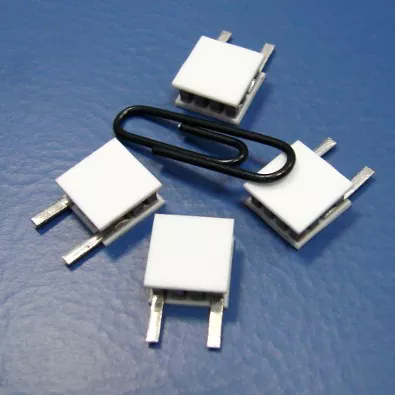
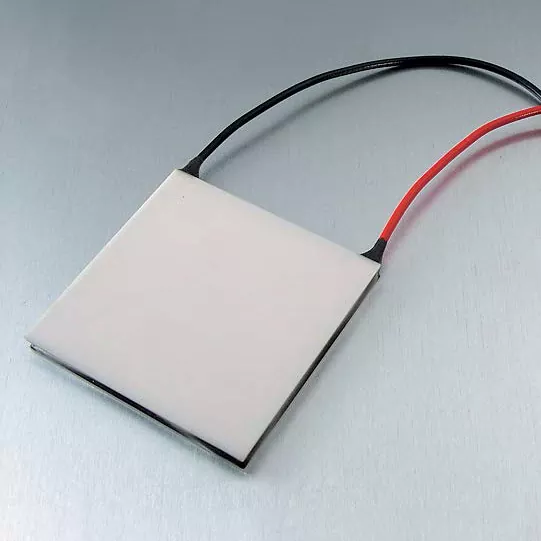
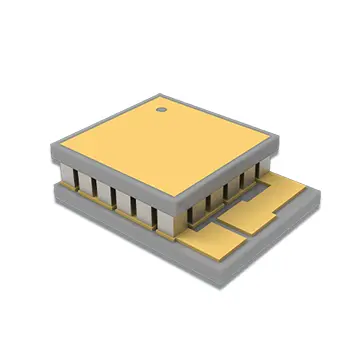
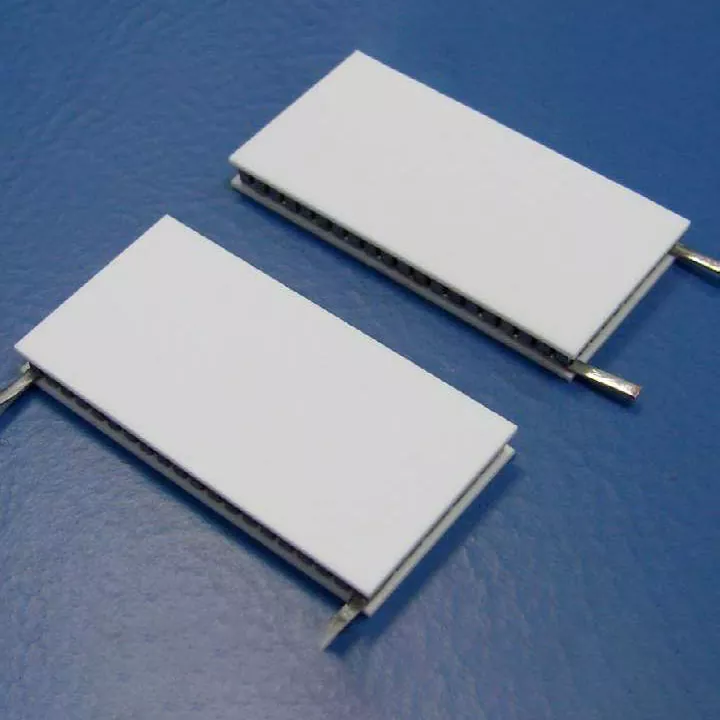
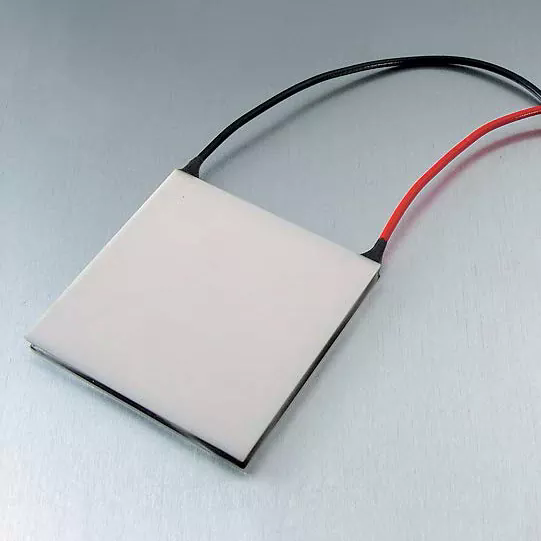
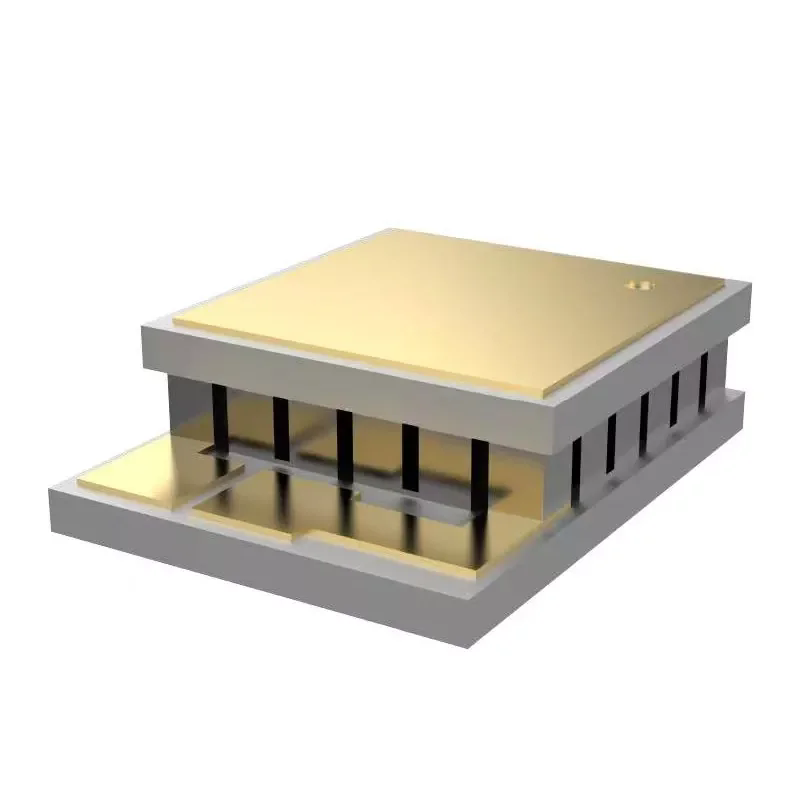
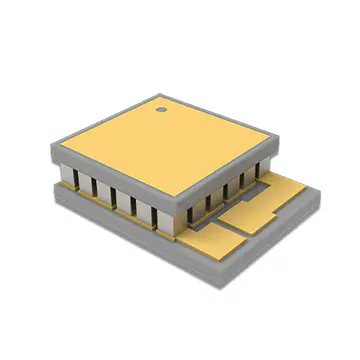
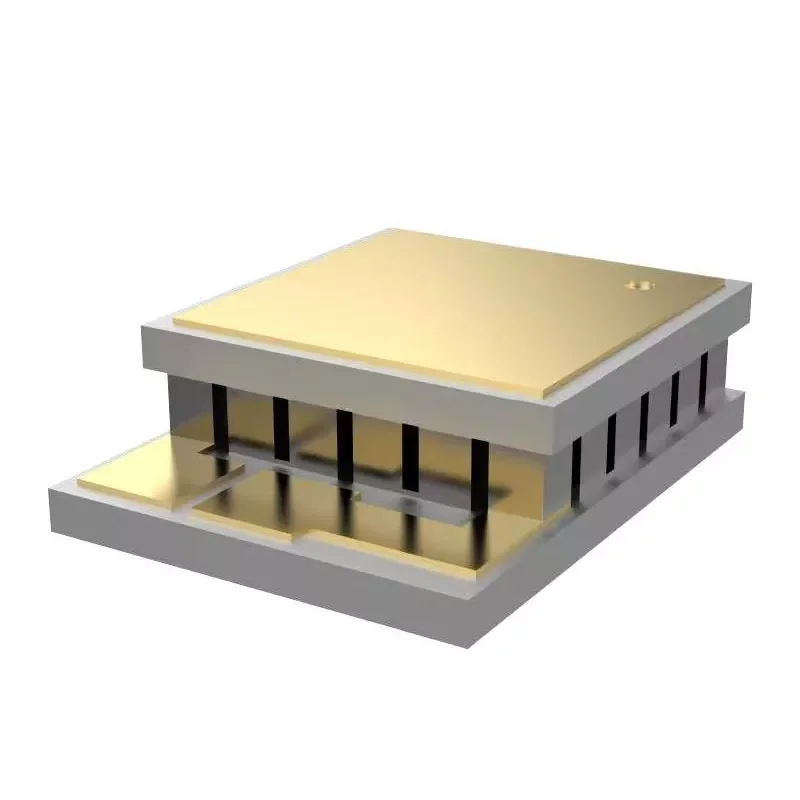
A Thermoelectric Cooler is a solid-state heat pump that uses the Peltier effect to transfer heat from one side of the device to the other when a DC current is applied. The device consists of an array of semiconductor pellets, typically bismuth telluride, sandwiched between two ceramic substrates. When current flows, one side becomes cold (the cold side) and the other becomes hot (the hot side). The heat is absorbed at the cold side and released at the hot side, where it is dissipated by a heatsink. Reversing the current reverses the direction of heat transfer, allowing the same device to be used for both cooling and heating. This bidirectional control is a key advantage for LiDAR systems that must operate in both hot and cold environments. The table below compares thermoelectric coolers with other cooling technologies.
| Technology | Cooling/Heating | Size | Precision | Reliability | Noise/Vibration |
| Thermoelectric Cooler | Both | Compact | High (+/- 0.1°C) | High (solid state) | None |
| Compressor-Based | Both | Large | Moderate | Moderate (moving parts) | High |
| Fan-Based | Cooling only | Moderate | Low | Moderate (bearing wear) | Moderate |
| Heat Pipe | Cooling only | Compact | Low | High | None |
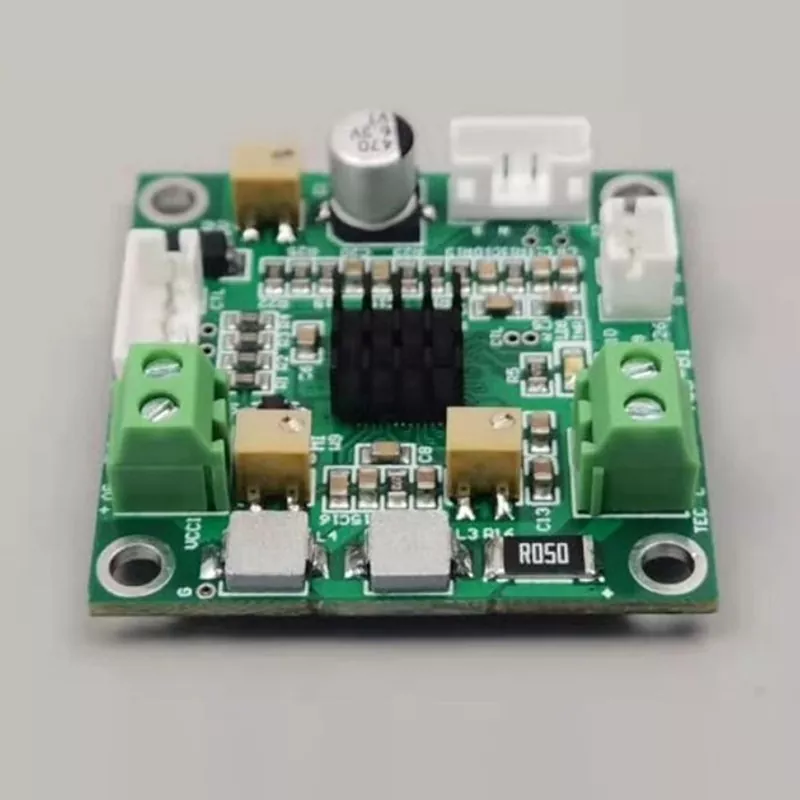
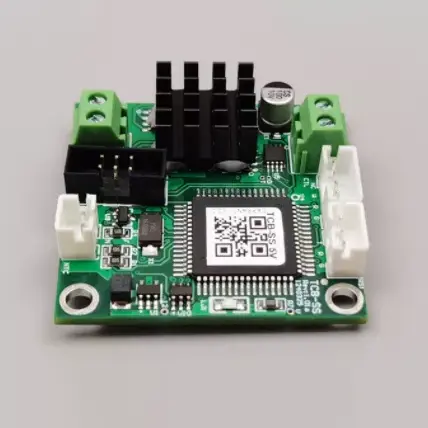
At our factory, we design our Thermoelectric Coolers for the demanding requirements of LiDAR systems. We use high-performance bismuth telluride pellets and advanced ceramic substrates to achieve high cooling capacity in a compact footprint. Our coolers are available with integrated temperature sensors and control electronics, allowing precise temperature stabilization of the laser diode and the detector.
When selecting a Thermoelectric Cooler for a LiDAR system, buyers should evaluate several key specifications. The cooling capacity (Qc) determines how much heat the cooler can remove at a given temperature differential. For LiDAR applications, the cooling capacity must be sufficient to handle the heat load from the laser diode, the detector, and any other heat-generating components. The maximum temperature differential (ΔTmax) determines the maximum temperature difference the cooler can achieve between the cold and hot sides. The current and voltage ratings determine the power supply requirements. The footprint and thickness determine the integration constraints. The coefficient of performance (COP) determines the efficiency of the cooler. The table below summarizes these specifications.
| Specification | Typical Range for LiDAR | Importance |
| Cooling Capacity (Qc) | 5 W - 50 W | Must exceed total heat load |
| Max Temperature Differential (ΔTmax) | 65°C - 75°C | Determines cooling capability |
| Current (Imax) | 2 A - 8 A | Determines power supply |
| Voltage (Vmax) | 5 V - 24 V | Determines power supply |
| Footprint | 10 x 10 mm to 40 x 40 mm | Determines integration |
| Thickness | 2 mm - 6 mm | Determines integration |
| Coefficient of Performance (COP) | 0.3 - 0.6 | Determines power efficiency |
At Fuzhou X-Meritan Technology Co., Ltd., our factory offers a range of Thermoelectric Coolers with different cooling capacities, footprints, and voltage ratings. We can help our customers select the right cooler for their specific LiDAR thermal requirements. Our engineering team can also provide thermal simulation and design support to ensure that the cooler is properly integrated into the LiDAR housing.
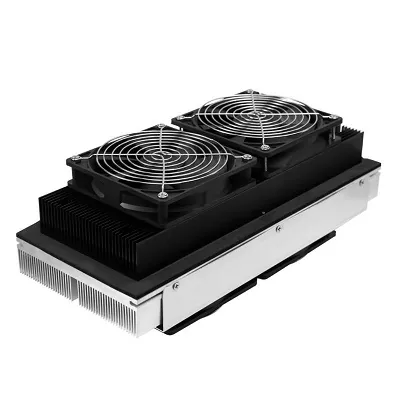
The performance of a Thermoelectric Cooler in a LiDAR system depends not only on the cooler itself but also on how it is integrated. Several factors can affect performance. The first is the thermal interface between the cooler and the laser diode or detector. A poor thermal interface, such as a dry joint or an uneven surface, can increase the thermal resistance and reduce the cooling effectiveness. The second is the heatsink design. The hot side of the cooler must be able to dissipate the heat to the ambient environment. If the heatsink is undersized or the airflow is inadequate, the hot side temperature will rise, reducing the cooling capacity and potentially overheating the cooler. The third is the thermal isolation of the cold side. The cold side must be isolated from the ambient environment to prevent heat leakage that would reduce the cooling efficiency. The table below summarizes these integration factors.
| Integration Factor | Effect on Performance | Mitigation |
| Thermal Interface Material | Poor interface increases thermal resistance | Use high-conductivity thermal grease or pads |
| Heatsink Design | Inadequate heatsink reduces cooling capacity | Size heatsink for maximum heat load |
| Airflow | Poor airflow increases hot side temperature | Ensure adequate ventilation or forced air |
| Cold Side Isolation | Heat leakage reduces cooling efficiency | Use insulation around the cold side |
| Condensation | Moisture can form on cold surfaces | Use sealed enclosure or desiccant |
At our factory, we provide technical support to help our customers integrate the Thermoelectric Cooler into their LiDAR system. We can recommend thermal interface materials, heatsink designs, and sealing methods that ensure optimal performance. Our goal is to help our customers achieve the temperature stability that their LiDAR system requires.
Evaluating a supplier of Thermoelectric Coolers for LiDAR applications requires a focus on thermal design capability, manufacturing quality, testing, and application support. The supplier should have the capability to design and manufacture coolers to the required specifications, including custom footprints and voltage ratings. The manufacturing quality should be consistent, with tight tolerances on the pellet placement and the ceramic flatness. The supplier should test each cooler for cooling capacity, ΔTmax, and leak current. And the supplier should provide application support, including thermal simulation and integration guidance. The table below summarizes these evaluation criteria.
| Evaluation Criterion | What to Look For | Why It Matters |
| Thermal Design Capability | Custom design, thermal simulation | Ensures optimal performance for the application |
| Manufacturing Quality | Precision pellet placement, ceramic flatness | Ensures consistent performance and reliability |
| Testing | Cooling capacity, ΔTmax, leak current | Ensures the cooler meets specifications |
| Application Support | Integration guidance, thermal simulation | Helps achieve optimal system performance |
At X-Meritan, our factory has been producing Thermoelectric Coolers for over a decade. We have extensive experience in thermal design and manufacturing. We test every cooler before shipment and provide technical support to our customers. We invite you to evaluate us against these criteria and to consider us as your partner for LiDAR thermoelectric coolers.
The following table provides the key product parameters for our Thermoelectric Coolers. These coolers are designed for LiDAR systems and other precision thermal management applications. Our factory can also produce custom coolers to meet specific requirements.
| Parameter | Specification Range | Notes |
| Cooling Capacity (Qc) | 5 W - 50 W | At ΔT = 0°C |
| Max Temperature Differential (ΔTmax) | 65°C - 75°C | At Qc = 0 W |
| Current (Imax) | 2 A - 8 A | Selected for power supply |
| Voltage (Vmax) | 5 V - 24 V | Selected for power supply |
| Footprint | 10 x 10 mm to 40 x 40 mm | Custom sizes available |
| Thickness | 2 mm - 6 mm | Selected for integration |
| Ceramic Material | Alumina (Al2O3) | Standard |
| Pellet Material | Bismuth Telluride (Bi2Te3) | High-performance |
| Operating Temperature | -40°C to +85°C | Selected for environment |
| Integration Options | Sensor, control electronics | Custom options available |
| MOQ | 100 pieces | Negotiable for large orders |
| Lead Time | 2 - 4 weeks | Depends on quantity and customization |
At our factory, we manufacture our Thermoelectric Coolers to meet these specifications and more. We can customize the cooling capacity, footprint, voltage, and integration options to suit your specific requirements. Our quality control system includes inspection of raw materials, in-process inspection, and final inspection before shipment. Our goal is to provide our customers with high-quality Thermoelectric Coolers that meet their LiDAR thermal management needs.
Question 1: Can a thermoelectric cooler both cool and heat a LiDAR system?
Answer: Yes, a Thermoelectric Cooler can both cool and heat. By reversing the polarity of the DC current, the direction of heat transfer is reversed. This allows the same cooler to heat the laser diode in cold environments and cool it in hot environments. This bidirectional capability is essential for LiDAR systems that must operate across a wide temperature range. At Fuzhou X-Meritan Technology Co., Ltd., our coolers are designed for bidirectional operation.
Question 2: How much power does a thermoelectric cooler consume in a LiDAR system?
Answer: The power consumption depends on the cooling capacity, the temperature differential, and the COP. A typical thermoelectric cooler for LiDAR might consume 5 to 20 watts. The COP is typically 0.3 to 0.6, meaning that for every watt of heat removed, the cooler consumes 1.7 to 3.3 watts of electrical power. The power consumption must be considered in the overall system power budget.
Question 3: What is the typical temperature stability achievable with a thermoelectric cooler?
Answer: With a properly designed control loop, a Thermoelectric Cooler can achieve temperature stability of +/- 0.1°C or better. This level of precision is essential for LiDAR systems that require stable laser wavelength and detector performance. The stability depends on the quality of the temperature sensor, the control electronics, and the thermal design of the system.
Question 4: Can thermoelectric coolers be used in automotive LiDAR systems?
Answer: Yes, Thermoelectric Coolers are used in automotive LiDAR systems. They must meet the automotive requirements for vibration, shock, and temperature cycling. At our factory, we offer coolers that are tested to automotive standards, including vibration and thermal shock. We can also provide AEC-Q100 qualified control electronics for automotive applications.
Question 5: How do I select the right thermoelectric cooler for my LiDAR system?
Answer: To select the right Thermoelectric Cooler, you need to determine the total heat load, the required temperature differential, the available power supply, and the integration constraints. Our engineering team can help you calculate these requirements and select the optimal cooler for your application. We also provide thermal simulation support to verify the design before prototyping.
LiDAR systems present significant temperature control challenges, from laser wavelength drift and detector noise to optical misalignment and ambient extremes. Thermoelectric Coolers address these challenges with precise, bidirectional, solid-state temperature control in a compact and reliable package. For procurement engineers and design teams, understanding the thermal challenges, the cooler specifications, and the integration considerations is essential for selecting the right solution. At Fuzhou X-Meritan Technology Co., Ltd., our factory has the expertise and the capability to manufacture Thermoelectric Coolers that meet the demanding requirements of LiDAR systems. We work closely with our customers to select the right cooler and to ensure successful integration.
Whether you are developing LiDAR for autonomous vehicles, industrial automation, or mapping applications, we invite you to contact us to discuss your requirements. We can provide samples, technical data, and customized solutions. Our commitment to quality and customer satisfaction has made us a trusted partner for LiDAR system developers around the world.
Contact Fuzhou X-Meritan Technology Co., Ltd. today to discuss your LiDAR Thermoelectric Cooler requirements and discover how our products can ensure the thermal stability your system needs.